Angel Trumpet (Brugmansia) Dangers: What Every Gardener Must Know
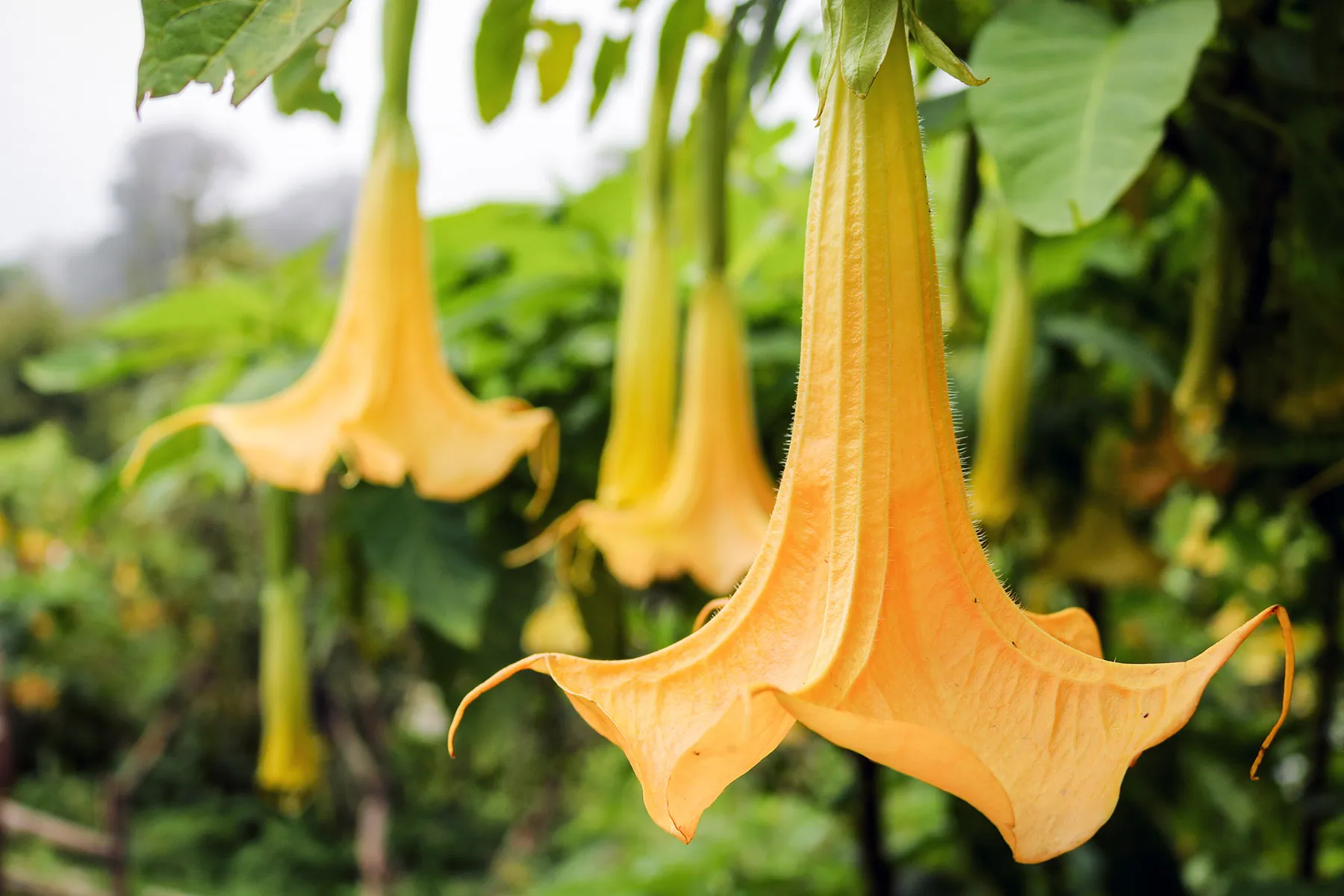
The garden can be a place of immense beauty, vibrant colors, and intoxicating fragrances. Among the many botanical treasures, the Angel Trumpet (genus *Brugmansia*) stands out with its dramatic, pendulous flowers and enchanting evening scent. Often referred to broadly as a "Trumpet Plant" due to its distinctive bloom shape, this tropical marvel can transform a landscape into a magical oasis. However, beneath its alluring facade lies a significant danger that every gardener, especially those with children or pets, must be acutely aware of: its profound toxicity.
While its beauty is undeniable, *Brugmansia* is a plant that demands respect and careful handling. Its entire structure, from the roots to the leaves, flowers, and seeds, harbors potent toxic compounds. This article will delve into the specific dangers associated with Angel Trumpet plants, distinguishing them from other "trumpet plants," and providing essential safety guidelines for responsible gardening.
The Alluring Danger: Unpacking Angel Trumpet Toxicity
Angel Trumpets, known scientifically as *Brugmansia*, are members of the Solanaceae family, a group that also includes common plants like tomatoes and potatoes – though it's important to note that only certain parts of these edibles are safe, and their foliage is often toxic. Native to South America, *Brugmansia* species are perennial shrubs or small trees, capable of reaching impressive heights of 6 to 20 feet, adorned with huge, fragrant, often 10-inch-long flowers in shades of white, orange, yellow, or pink. Their nocturnal lemon scent and ability to attract hummingbirds make them a popular choice for many gardeners in warmer climates (USDA Zones 9-11, with some hybrids hardy to 7b).
The danger, however, lies in their chemical composition. *Brugmansia* plants contain highly potent tropane alkaloids, including
atropine, scopolamine, and hyoscyamine. These compounds are anticholinergic, meaning they interfere with the nervous system, and can be fatal if ingested, even in small amounts. Symptoms of poisoning can include dilated pupils, dry mouth, hallucinations, delirium, tachycardia (rapid heart rate), hyperthermia, and even respiratory paralysis and death. It's crucial to understand that
all parts of the Angel Trumpet plant are toxic – the sap, leaves, flowers, and seeds. Exposure can occur even through skin contact, causing irritation or absorption of toxins.
It's also worth noting the frequent confusion between *Brugmansia* (Angel Trumpet) and *Datura*. While both are in the Solanaceae family and possess trumpet-shaped flowers, *Datura* flowers typically point upwards, whereas *Brugmansia* flowers hang downwards (pendent). Both genera are highly toxic, sharing many of the same dangerous compounds. For a more detailed look at the distinctions between these beautiful but dangerous plants, you can explore our guide on
Trumpet Plant Confusion: Angel Trumpet vs. Trumpet Creeper Guide.
Safe Handling and Coexistence: Protecting Your Loved Ones
Given the severe toxicity of the Angel Trumpet plant, responsible gardening practices are paramount. If you choose to cultivate this beautiful but perilous Trumpet Plant, take every precaution to ensure the safety of your household and any visitors.
- Wear Protective Gear: Always wear gloves, long sleeves, and eye protection when handling *Brugmansia* plants, especially during pruning or repotting. This minimizes skin contact with the sap and prevents accidental rubbing of eyes with contaminated hands.
- Wash Thoroughly: After any contact with the plant, even if you wore gloves, wash your hands and any exposed skin thoroughly with soap and water. Clean tools used on the plant immediately.
- Strategic Placement: Plant Angel Trumpets in areas inaccessible to children and pets. Avoid planting them near play areas, walkways, or pet runs. Consider physical barriers if necessary.
- Educate Others: Inform children and anyone who spends time in your garden about the dangers of the Angel Trumpet. Teach them never to touch, pick, or ingest any part of the plant.
- Pruning Precautions: Dispose of plant trimmings carefully. Do not compost them where they might be handled later, and ensure they are placed in sealed bags for municipal waste collection to prevent accidental exposure to scavengers or curious individuals.
- Emergency Preparedness: In case of accidental ingestion or severe exposure, immediately contact emergency services or a poison control center. Have the plant's name (*Brugmansia*) readily available.
Beyond the Brugmansia: Other "Trumpet Plants" and Their Risks
The term "Trumpet Plant" can sometimes refer to other species, further highlighting the need for careful identification. One common example is the Trumpet Creeper (*Campsis radicans*), also known as Trumpet Vine or Trumpet Flower. Unlike the highly toxic *Brugmansia*, the Trumpet Creeper is a native deciduous vine prized for its vibrant yellow-orange to red, trumpet-shaped flowers that bloom in summer and attract hummingbirds and butterflies.
While less acutely poisonous than *Brugmansia*, the Trumpet Creeper also carries its own set of warnings. Contact with its leaves and flowers can result in an allergic reaction in sensitive individuals, manifesting as skin irritation or dermatitis. If ingested, it is considered mildly toxic. Therefore, even with this less dangerous "Trumpet Plant," caution is still advised, particularly for those with sensitive skin or inquisitive pets. For more details on managing this vigorous climber, see our article
Grow Trumpet Creeper: Attract Hummingbirds & Manage Its Spread.
The key takeaway is that not all "trumpet plants" are created equal regarding their toxicity, but all should be treated with a degree of respect and caution. Always know the specific species you are growing and its associated risks.
Cultivating Angel Trumpets Responsibly (If You Must)
For many gardeners, the sheer beauty and fragrance of the Angel Trumpet make the risks worth managing. If you decide to include this stunning Trumpet Plant in your garden, responsible cultivation is not just about safety, but also about nurturing the plant itself.
*Brugmansia* thrives in full sun and well-drained soil. As tropical perennials, they are not frost-hardy in colder zones. If you live outside USDA Zones 9-11, consider growing them in large containers. This allows you to bring them indoors during winter, protecting them from frost. When containerized, they can be cut back to the ground for winter storage, or if space is limited, foot-long sections of the trunk can be stored in slightly moist peat moss until spring.
Remember, the deer resistant qualities of Angel Trumpets are a direct result of their toxicity. This serves as a natural warning system – if deer avoid it, perhaps humans and pets should be extra cautious too. Integrate good cultural practices with an unwavering commitment to safety.
Conclusion
The Angel Trumpet (*Brugmansia*) is a truly magnificent Trumpet Plant, capable of bringing exotic beauty and intoxicating fragrance to any garden. However, its allure is matched by its profound danger. As a gardener, understanding and respecting the highly toxic nature of all its parts – containing compounds like atropine, scopolamine, and hyoscyamine – is not just a recommendation, but a necessity. By implementing stringent safety measures, such as wearing protective gear, ensuring proper placement away from vulnerable individuals, and educating everyone about its hazards, you can minimize the risks. Always identify your "trumpet plant" carefully, distinguishing between species like *Brugmansia*, *Datura*, and the less harmful but still allergenic Trumpet Creeper (*Campsis radicans*). Ultimately, responsible gardening means prioritizing safety, allowing us to enjoy the wonders of nature without falling prey to its hidden perils.