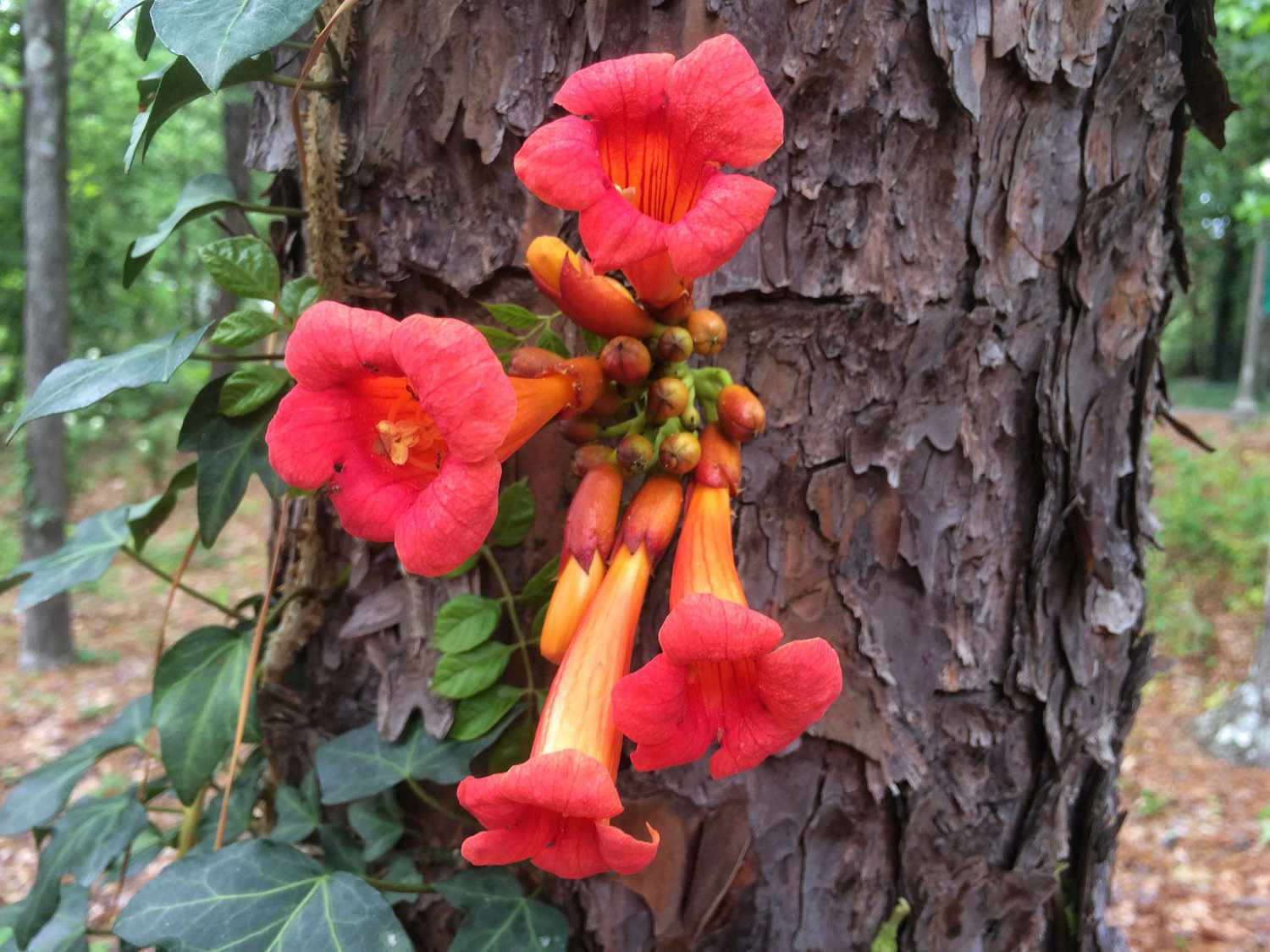
The allure of a vibrant garden teeming with life is a dream for many, and few plants deliver on this promise quite like the magnificent "Trumpet Plant." However, the term "Trumpet Plant" can refer to a couple of distinctly different, yet equally captivating, botanical beauties. While both are renowned for their spectacular, trumpet-shaped blooms and their ability to draw in mesmerized hummingbirds, understanding the nuances between them is crucial for successful cultivation and garden safety.
For clarity, we're primarily focusing on the native North American vine, the Trumpet Creeper (Campsis radicans), a vigorous, deciduous, or semi-evergreen plant. This article will guide you through cultivating this dynamic climber, harnessing its natural charm to attract hummingbirds, and, critically, managing its enthusiastic growth to ensure it remains a beloved garden feature rather than an unruly takeover. For those interested in the grand, often more tropical cousin, the Angel Trumpet (Brugmansia), with its large, pendent flowers and potent nocturnal fragrance, we delve deeper into its unique characteristics and important distinctions in our guide: Trumpet Plant Confusion: Angel Trumpet vs. Trumpet Creeper Guide.
Unveiling the Trumpet Creeper (Campsis radicans): A Hummingbird Haven
The Trumpet Creeper, also affectionately known as Trumpet Vine or Hummingbird Vine, is a show-stopping deciduous or partially evergreen woody vine native to the eastern and central United States. It's a true champion in the garden for its ability to transform an ordinary fence or arbor into a riot of color and a buzzing hub of activity. Its stems can soar to impressive lengths, often reaching 30-40 feet (10-12 meters) or more, adorned with shiny, dark green leaflets that create a lush backdrop for its flamboyant flowers.
From mid-summer, typically July through August, the Trumpet Creeper erupts in a spectacular display of bright yellow-orange to fiery red, trumpet-shaped flowers. These blooms appear in generous clusters of four to a dozen, creating a visual feast that is simply irresistible to hummingbirds. The vibrant colors and abundant nectar production make it a prime target for these tiny, aerial acrobats, providing a crucial food source and endless entertainment for gardeners. Beyond hummingbirds, butterflies are also frequent visitors, further enhancing your garden's biodiversity.
Optimal Growing Conditions for Your Trumpet Creeper
One of the Trumpet Creeper's most appealing traits is its adaptability. It's not particularly fussy about soil, thriving in a wide range of conditions from wet to dry, and tolerating sand, loam, or clay soil types. Its pH tolerance is also broad, ranging from acidic (3.7) to mildly acidic (6.8). However, to unlock its full flowering potential, one condition is non-negotiable: full sun exposure. Plant it in a spot where it receives at least six hours of direct sunlight daily to ensure the most prolific bloom production. While it can tolerate some shade, flowering will be significantly diminished.
Given its vigorous nature, selecting the right location is paramount. Consider planting it where it has ample space to climb and where its spread can be managed. Arbors, pergolas, sturdy trellises, or robust fences make excellent supports. Avoid planting it too close to house foundations or delicate structures, as its aerial roots can cling aggressively and potentially cause damage. Its robust root system also makes it an excellent choice for stabilizing slopes or covering unattractive features in the landscape.
Managing the Enthusiastic Growth: Taming the Trumpet Plant
While the Trumpet Creeper's vigorous growth is part of its appeal, particularly for quick coverage, it's also the aspect that requires the most attention. This plant earned its "creeper" moniker honestly, and without proper management, it can become an assertive, even invasive, presence in the garden. Its main methods of spread are through easily rooting stems and an extensive network of suckers that emerge from its root system, often far from the parent plant.
Pruning for Control and Abundant Blooms
Regular and strategic pruning is the cornerstone of managing Trumpet Creeper. Here's how to keep it in check and encourage the best flowering display:
- Annual Dormant Pruning: The most important pruning should be done in late winter or early spring, before new growth begins. Cut back the previous year's growth significantly, leaving only a few main structural branches. This encourages fresh growth, which is where the flowers will develop. You can cut the entire plant back to a few feet from the ground if it's becoming too dense or unruly.
- Summer Thinning: Throughout the growing season, keep an eye on new shoots and suckers emerging from the ground. Remove these aggressively to prevent unwanted spread. Thin out crowded stems to improve air circulation and direct the plant's energy into flowering rather than excessive foliage.
- Deadheading: While not strictly necessary for plant health, removing spent flower clusters can sometimes encourage a prolonged blooming period, though the primary bloom flush is usually the strongest.
- Containment: If you're concerned about root suckers spreading, consider planting the Trumpet Creeper in a large container sunk into the ground, or install a root barrier to limit its underground expansion. For raised beds, ensure the sides are deep enough to contain the roots.
Propagation: Easy Yet Cautionary
Propagating Trumpet Creeper is incredibly straightforward due to its readiness to root. Cuttings are the easiest method: simply take softwood cuttings in spring or semi-hardwood cuttings in summer, and they will readily root in moist soil or water. If you don't have an existing plant, seeds can also be used. They require stratification – placing them in moist sand at about 39°F (4°C) for 60 days – before sowing in early fall for spring outplanting. Be mindful that propagating it further means increasing its potential spread, so only do so if you have a clear plan for containment.
Safety First: Understanding Trumpet Creeper's Mild Toxicity & Allergic Potential
While the Trumpet Creeper is a magnificent addition to many gardens, it's essential to be aware of its potential health considerations. Unlike its notorious cousin, the Angel Trumpet (Brugmansia), which is highly poisonous in all its parts and can cause severe reactions from mere contact, the Trumpet Creeper is considered only slightly toxic if ingested. However, direct contact with the leaves and flowers of Campsis radicans can, for some individuals, result in an allergic skin reaction, similar to a mild case of poison ivy.
Precautions for Gardeners and Households
- Wear Gloves: When handling or pruning Trumpet Creeper, especially if you have sensitive skin, it's a good practice to wear gardening gloves to prevent potential allergic reactions.
- Wash Hands: Always wash your hands thoroughly with soap and water after gardening activities involving Trumpet Creeper.
- Supervise Children and Pets: While not as severely toxic as some other garden plants, it's always wise to discourage children and pets from ingesting any plant parts. The mild toxicity means that large quantities would likely need to be consumed to cause significant issues, but caution is always best.
- Educate Yourself: Understand the difference between the relatively mild toxicity of Trumpet Creeper and the severe dangers of plants like Angel Trumpet. For a comprehensive overview of the serious risks associated with Angel Trumpets, please refer to our detailed article: Angel Trumpet (Brugmansia) Dangers: What Every Gardener Must Know.
By taking these simple precautions, you can safely enjoy the beauty and ecological benefits that the Trumpet Creeper brings to your garden without undue concern.
The Trumpet Creeper is a truly rewarding "Trumpet Plant" for gardeners who appreciate its dramatic beauty and the vibrant wildlife it attracts. With its bright, nectar-rich flowers, it serves as an indispensable resource for hummingbirds and butterflies, bringing your garden to life with a flurry of activity. While its vigorous nature demands a proactive approach to pruning and containment, the effort is well worth the spectacular display. By understanding its needs and managing its spread responsibly, you can cultivate a stunning, wildlife-friendly landscape that will be the envy of your neighborhood for years to come.